Labor unions play a crucial role in advocating for workers’ rights, including fair wages, safe working conditions, and equitable treatment. However, conflicts and disputes can arise between unions and employers, affecting both parties. Understanding the common causes of labor union disputes and how they impact workers’ rights is essential for employees and employers alike. This article outlines some of the most frequent union disputes and the legal protections in place to safeguard workers’ rights.
1. Wage and Compensation Disputes
One of the most common sources of labor union disputes is the disagreement over wages and compensation. These disputes may arise during contract negotiations or when employees feel their wages are not in line with industry standards or cost-of-living increases.
- Impact on Workers’ Rights: Workers may feel that their financial security is threatened if wages are not properly addressed. These disputes can lead to strikes or work stoppages, directly affecting workers’ income and job stability.
- Legal Protections: Workers are entitled to receive fair wages under federal and state labor laws. The Fair Labor Standards Act (FLSA) ensures that employees are paid at least the minimum wage and overtime pay for hours worked beyond the standard 40-hour workweek. Unions often advocate for wages that exceed these minimums based on collective bargaining agreements.
2. Working Conditions and Safety Issues
Disagreements related to working conditions and safety concerns are another frequent cause of labor union disputes. Whether it’s inadequate safety measures, poor working environments, or long hours without proper rest, workers may voice concerns through their union representation.
- Impact on Workers’ Rights: Poor working conditions can significantly affect workers’ health, well-being, and productivity. Unsafe work environments put employees at risk for accidents and long-term health problems.
- Legal Protections: Under the Occupational Safety and Health Act (OSHA), employers are required to provide a safe workplace. Unions are essential in advocating for stricter safety regulations, better protective equipment, and appropriate work hours to ensure that employees are not exposed to harmful conditions.
3. Discrimination and Harassment
Labor union disputes can also stem from accusations of discrimination or harassment in the workplace. Employees may face unequal treatment based on race, gender, age, disability, or other protected characteristics, leading to grievances that the union must address.
- Impact on Workers’ Rights: Discrimination and harassment violate workers’ fundamental rights to equal treatment. Workers subjected to these issues may experience emotional distress, decreased morale, and a hostile work environment.
- Legal Protections: Federal and state anti-discrimination laws, such as the Civil Rights Act of 1964 and the Americans with Disabilities Act (ADA), prohibit discrimination and harassment in the workplace. Unions advocate for these protections, ensuring that all workers are treated fairly and equitably.
4. Unfair Labor Practices and Union Representation
Another major cause of labor union disputes is the allegation of unfair labor practices by employers. These can include actions such as interfering with union activities, discouraging union membership, or retaliating against workers for organizing or participating in union-related activities.
- Impact on Workers’ Rights: If employers violate the rights of unionized workers, it undermines the effectiveness of the union and discourages workers from seeking fair representation. This can lead to an imbalance of power and diminish workers’ ability to negotiate for better wages, benefits, or working conditions.
- Legal Protections: The National Labor Relations Act (NLRA) protects workers’ rights to form unions, engage in collective bargaining, and participate in union activities without fear of retaliation. If an employer engages in unfair labor practices, workers can file a complaint with the National Labor Relations Board (NLRB) for resolution.
5. Job Security and Layoffs
Job security and layoffs often trigger labor union disputes, especially in industries facing economic uncertainty or restructuring. Employees may feel their rights are being violated if they are laid off without proper severance, benefits, or seniority considerations as stipulated in their collective bargaining agreement.
- Impact on Workers’ Rights: Layoffs without proper notice or severance can severely affect workers’ livelihoods, especially if the process is not conducted transparently or fairly.
- Legal Protections: Workers have the right to be treated fairly during layoffs, with some protections provided by laws such as the Worker Adjustment and Retraining Notification (WARN) Act, which requires employers to provide advance notice of mass layoffs. Unions also negotiate job security provisions within collective bargaining agreements to protect workers from arbitrary layoffs.
6. Disputes Over Collective Bargaining Agreements (CBAs)
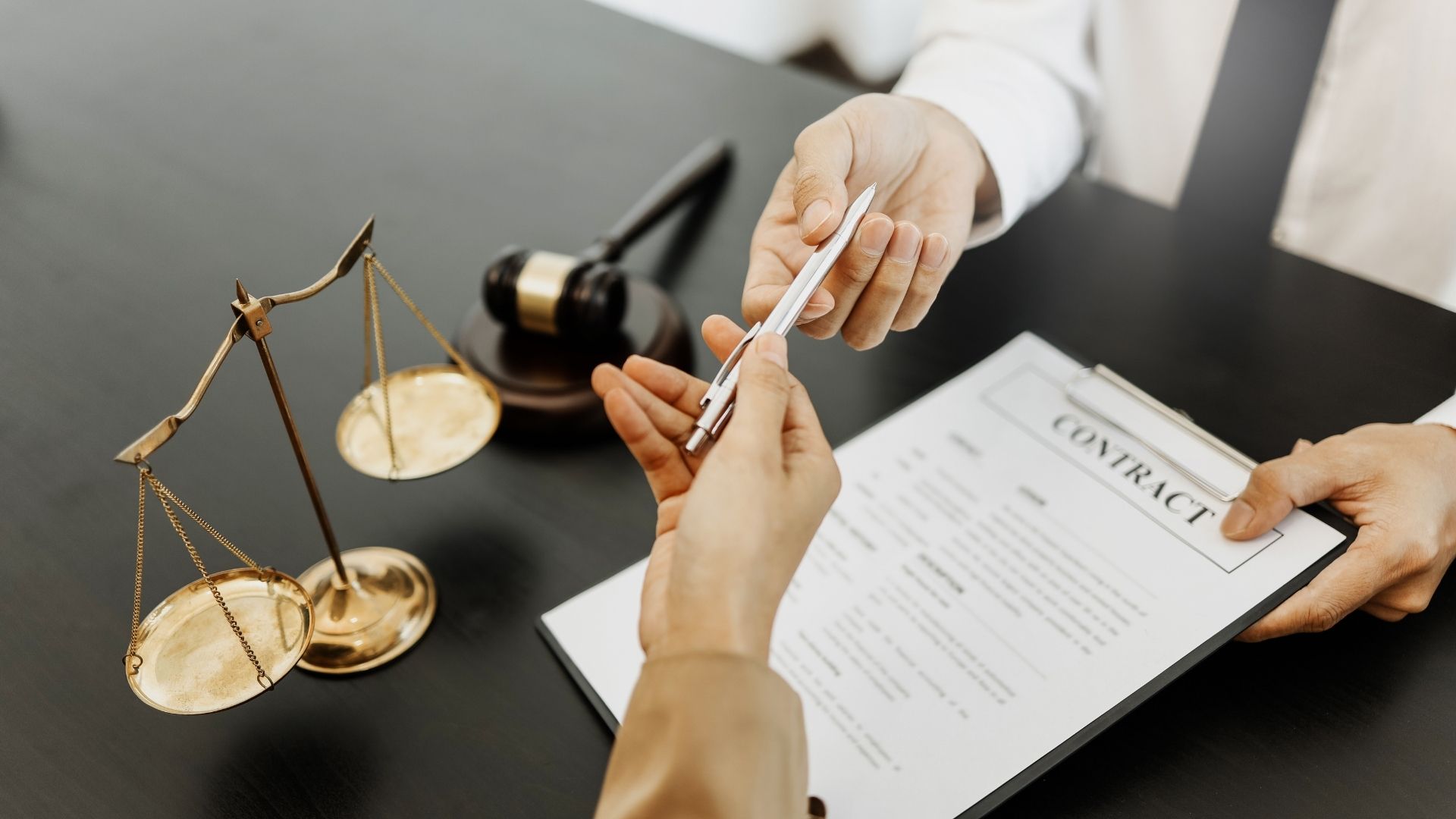
The most significant disputes in unionized workplaces often revolve around collective bargaining agreements (CBAs). These agreements define the terms and conditions of employment, including wages, benefits, working hours, and job responsibilities. Disputes may occur when employers or employees feel that the terms of the CBA are not being honored or are unfair.
- Impact on Workers’ Rights: Violations of a CBA can undermine workers’ rights to fair compensation and job security, potentially leading to strikes or other forms of protest to demand compliance.
- Legal Protections: If a CBA is not being upheld, workers can file grievances, which are often addressed through arbitration or other dispute resolution mechanisms. The National Labor Relations Act also protects workers’ rights to negotiate collectively with their employer.
7. Strike and Work Stoppages
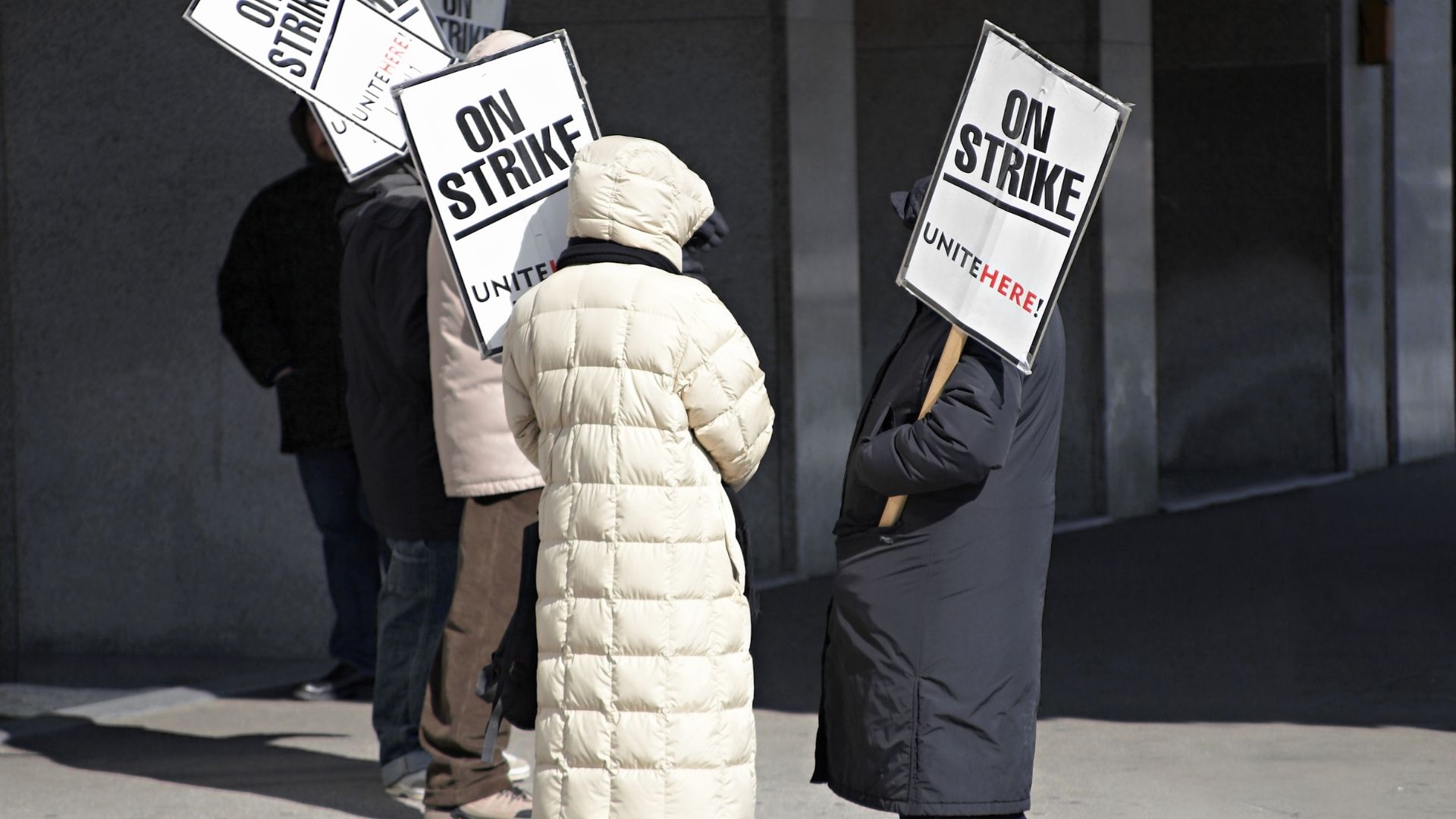
When union disputes cannot be resolved through negotiation or arbitration, strikes or work stoppages may occur. While these actions are a last resort, they can have a profound effect on workers’ rights and the functioning of businesses.
- Impact on Workers’ Rights: Strikes may temporarily affect workers’ pay and benefits, but they are often seen as a powerful tool for workers to protest unfair treatment or unsafe working conditions. In some cases, workers are protected from retaliation during a strike under the NLRA.
- Legal Protections: While the right to strike is protected under federal law, there are limitations. Workers involved in a strike must comply with specific legal requirements, such as providing notice to their employer and adhering to picketing regulations. However, the right to strike remains a key avenue for employees to assert their collective bargaining rights.
How These Disputes Affect Workers
Labor union disputes can have a range of effects on workers’ rights, from financial and emotional stress to reduced job security. However, these disputes often highlight the importance of union representation in securing fair treatment in the workplace. Through strikes, grievances, and collective bargaining, unions play a vital role in advocating for workers and ensuring that their rights are protected under the law.